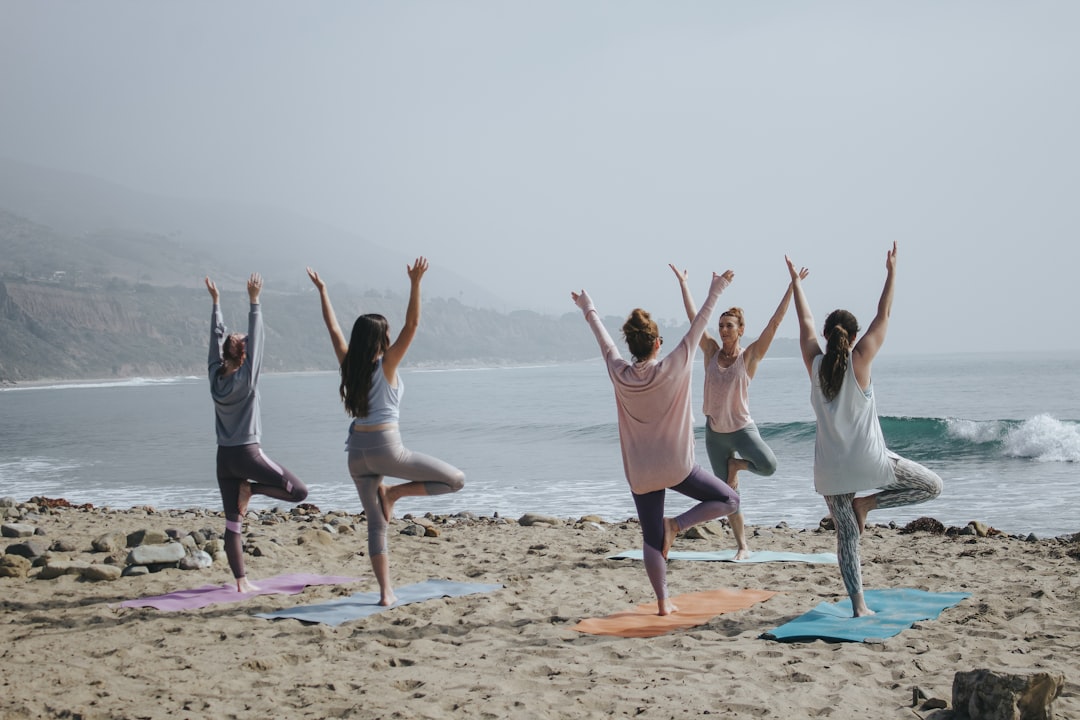
Stretching is one of the most fundamental aspects of physical wellness, yet many people approach it without understanding the remarkable physiological processes happening beneath the surface. When we stretch, we're not just pulling on muscles—we're engaging in a complex interaction between our nervous system, connective tissues, and muscular structures that can profoundly impact our health, mobility, and overall quality of life.
Understanding Muscle Elasticity and Plasticity
Our muscles possess two critical properties: elasticity and plasticity. Elasticity refers to the muscle's ability to return to its original length after being stretched, much like a rubber band. Plasticity, on the other hand, is the muscle's capacity to adapt to new lengths over time with consistent stretching practice. This is why regular stretching leads to permanent improvements in flexibility rather than temporary changes.
When you hold a stretch for an extended period, typically 30 seconds or more, you're allowing the muscle fibers and their surrounding fascia to undergo viscoelastic deformation. This means the tissues are literally remodeling themselves at a microscopic level, lengthening and adapting to accommodate the new range of motion you're requesting from them.
The Nervous System's Role in Flexibility
What many people don't realize is that flexibility is as much about your nervous system as it is about your muscles. Your body has built-in protective mechanisms called stretch reflexes that prevent you from overstretching and potentially injuring yourself. The most well-known is the myotatic reflex, which causes a muscle to contract when it's stretched too quickly or too far.
This is why ballistic stretching—bouncing in and out of stretches—can be counterproductive and even dangerous. When you bounce, you're triggering this protective reflex, causing the muscle to contract rather than lengthen. Static stretching, where you hold a position steadily, allows your nervous system to relax this protective mechanism through a process called autogenic inhibition.
As you hold a stretch, sensory receptors called Golgi tendon organs detect the tension in your muscles and tendons. After about 20-30 seconds, these receptors signal your nervous system that it's safe to relax the muscle, allowing for deeper stretching. This is why you often feel like you can sink deeper into a stretch after holding it for half a minute or more.
Types of Stretching and Their Effects
Static Stretching
Static stretching involves holding a position at the end of your comfortable range of motion for 15-60 seconds. Research shows this is the most effective method for improving long-term flexibility. It's ideal for cool-downs after exercise and for dedicated flexibility sessions. Static stretching has been shown to reduce muscle tension, improve circulation, and promote relaxation by activating the parasympathetic nervous system.
Dynamic Stretching
Dynamic stretching involves moving through a range of motion repeatedly, gradually increasing reach and speed. Unlike static stretching, dynamic stretches keep your muscles engaged and your heart rate elevated. This makes them perfect for warming up before physical activity. Examples include leg swings, arm circles, and walking lunges. Studies demonstrate that dynamic stretching before exercise can improve performance and reduce injury risk more effectively than static stretching.
Proprioceptive Neuromuscular Facilitation (PNF)
PNF stretching is an advanced technique that combines stretching with muscle contraction. Typically, you stretch a muscle, then contract it against resistance for 5-10 seconds, then relax and stretch even further. This method takes advantage of the same neurological mechanisms mentioned earlier but in a more targeted way, often producing dramatic improvements in flexibility in a short time.
The Fascia Factor
Recent research has highlighted the crucial role of fascia in flexibility. Fascia is the connective tissue that wraps around muscles, bones, and organs, creating an interconnected web throughout your body. When fascia becomes tight or adhesed, it restricts movement regardless of muscle length.
This is why someone might have strong, supple muscles but still feel stiff—their fascia needs attention. Stretching, especially when combined with techniques like foam rolling or massage, helps maintain fascial health by promoting hydration and reducing adhesions. Think of fascia like plastic wrap that can become crumpled or stuck together; stretching helps smooth it out and restore its proper function.
Stretching and Pain Relief
One of the most compelling reasons to maintain a regular stretching practice is its effect on chronic pain. Many common pain conditions, from lower back pain to tension headaches, are related to muscle tightness and imbalances. When muscles are chronically tight, they can pull on joints, compress nerves, and create painful trigger points.
Stretching addresses pain through multiple mechanisms. First, it directly lengthens shortened muscles, reducing tension. Second, it improves circulation, bringing fresh oxygen and nutrients to tissues while removing metabolic waste products that contribute to soreness. Third, it activates the body's natural pain-relief mechanisms by stimulating mechanoreceptors that can inhibit pain signals.
Research on yoga and stretching has consistently shown significant reductions in chronic pain conditions. A study published in the Annals of Internal Medicine found that yoga was as effective as physical therapy for treating chronic lower back pain, with benefits lasting for months after the intervention ended.
Mental and Emotional Benefits
The benefits of stretching extend far beyond the physical. When you stretch, especially in mindful practices like yoga, you're also giving your nervous system permission to shift from sympathetic (fight-or-flight) to parasympathetic (rest-and-digest) mode. This shift has profound effects on stress levels, anxiety, and overall mental wellbeing.
Stretching can serve as a form of moving meditation, anchoring your attention in physical sensations and breath. This present-moment awareness has been shown to reduce rumination, improve mood, and enhance emotional regulation. Many people report that their stretching practice becomes a cherished time for mental clarity and stress relief.
How Much Stretching Do You Need?
The American College of Sports Medicine recommends stretching major muscle groups at least 2-3 times per week, holding each stretch for 15-60 seconds and repeating 2-4 times. However, daily stretching yields the best results for most people, especially if you have specific flexibility goals or spend long hours sitting.
The key is consistency rather than intensity. Gentle, regular stretching is far more effective than occasional aggressive sessions. Your nervous system and connective tissues need time to adapt, and this happens through repeated exposure to stretching stimuli over weeks and months.
Common Stretching Mistakes to Avoid
Understanding the science of stretching also helps us avoid common mistakes. Never stretch cold muscles—always do a brief warm-up first to increase circulation and tissue temperature. Don't push into pain; stretching should feel like gentle tension, not discomfort. If you feel sharp or shooting pain, you've gone too far.
Avoid holding your breath while stretching. Breath-holding triggers a stress response that works against the relaxation you're trying to achieve. Instead, breathe deeply and steadily, using your exhales to relax more deeply into each stretch.
Finally, don't neglect any muscle groups. The body functions as an integrated system, and tightness in one area often contributes to problems elsewhere. A balanced stretching routine addresses all major muscle groups, not just the areas that feel tight.
Integrating Stretching into Your Life
The best stretching routine is one you'll actually do consistently. This might mean 5 minutes of morning stretches to wake up your body, a longer session after your workout, or an evening yoga practice to unwind. Find what works for your schedule and preferences, then commit to it.
Consider keeping a flexibility journal to track your progress. Note which stretches you perform, how long you hold them, and how your body feels. Over time, you'll see measurable improvements that will motivate you to continue.
Remember that flexibility improvements come gradually. You might not notice day-to-day changes, but if you compare where you are after a month or two of consistent practice to where you started, the differences will likely be substantial. Patience and persistence are your best allies in developing flexibility.
Conclusion: Stretching as Self-Care
Understanding the science behind stretching transforms it from a mundane activity into a sophisticated form of self-care that addresses your body's fundamental needs. When you stretch, you're not just lengthening muscles—you're retraining your nervous system, remodeling your fascia, improving your circulation, reducing your stress, and investing in your long-term mobility and health.
At VertexFlowMesh, we encourage you to approach stretching with curiosity and respect for what your body is capable of. Each time you move into a stretch, you're participating in a remarkable biological process millions of years in the making. Honor that process with mindful attention, consistent practice, and patience for the transformative changes that will unfold.