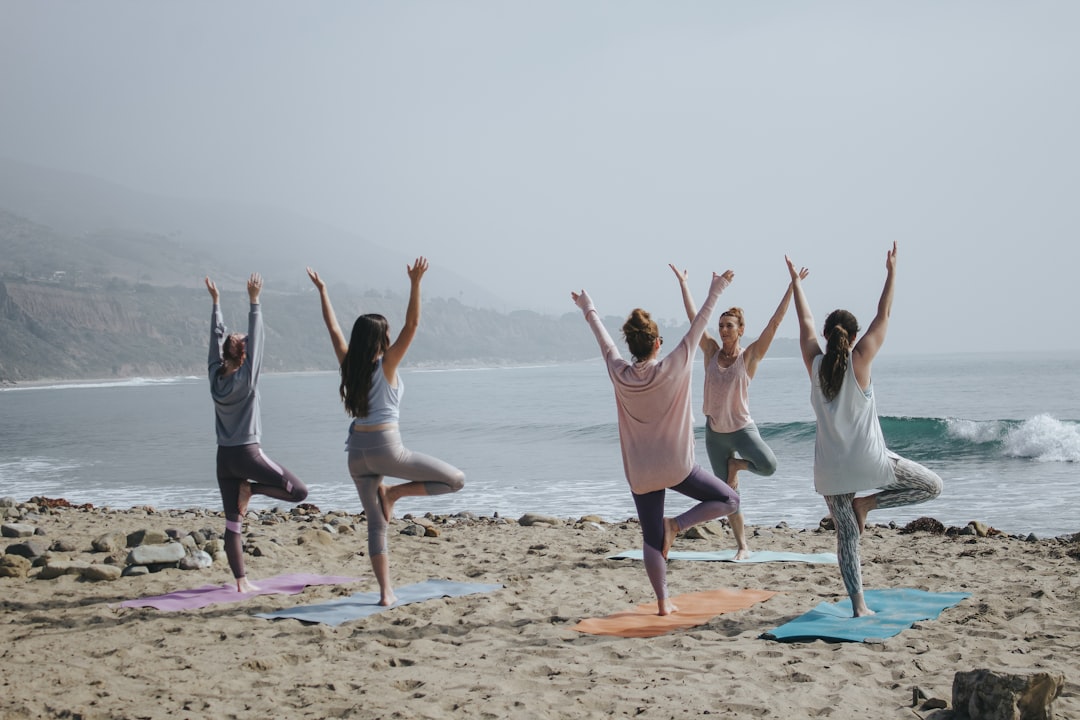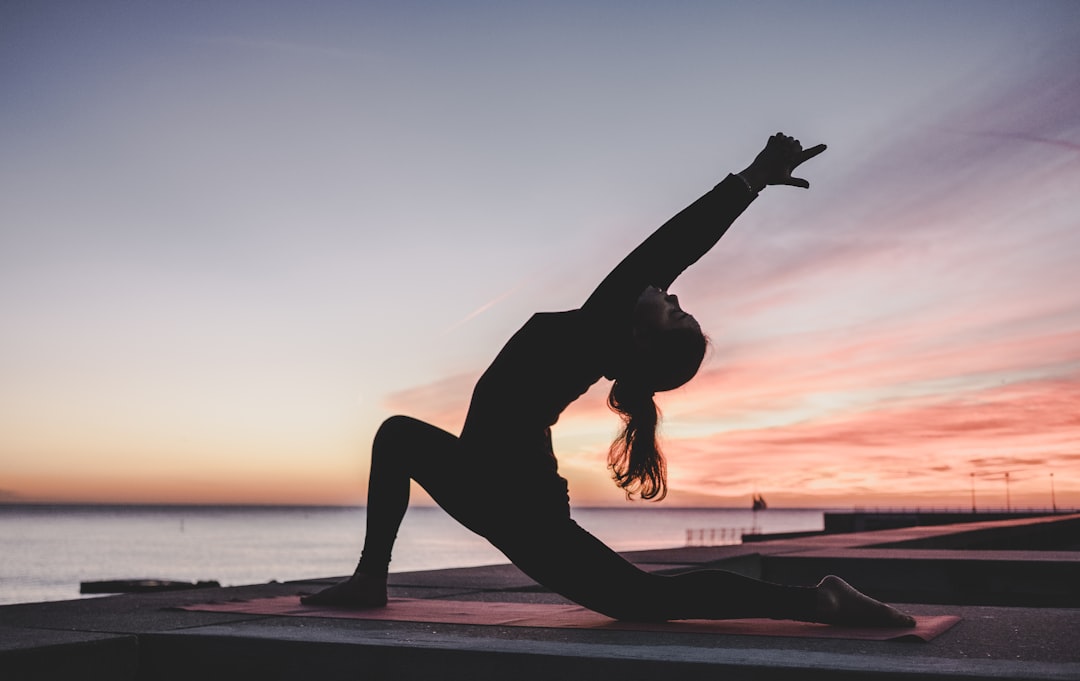
In our achievement-oriented culture, we're conditioned to believe that more effort always yields better results. We push harder, move faster, and rarely give ourselves permission to simply rest. Restorative yoga offers a radical alternative: poses held for extended periods with full support from props, allowing your body to release deeply held tension without any muscular effort. This isn't passive or lazy—it's a sophisticated practice that activates your body's natural healing mechanisms and can be more transformative than vigorous exercise when it comes to stress relief and nervous system regulation.
Understanding Restorative Yoga
Restorative yoga is distinct from other yoga styles in its emphasis on complete relaxation. While other practices might focus on building strength, increasing flexibility, or developing balance, restorative yoga has one primary goal: allowing your nervous system to shift into a parasympathetic state where healing, digestion, and restoration can occur.
In a typical yoga class, you might hold poses for 5-10 breaths. In restorative yoga, you hold poses for 5-20 minutes. This extended time allows multiple layers of tension to release. The first few minutes might address surface muscle tension, but as you stay longer, deeper holdings in the fascia, joints, and even organs begin to soften.
The generous use of props—bolsters, blankets, blocks, and eye pillows—ensures that you're completely supported in each pose. When your body feels fully held, your nervous system gets the message that it's safe to let go. This is the opposite of our usual state of vigilance and readiness for action.
The Physiological Benefits of Deep Rest
When you practice restorative yoga, remarkable things happen in your body. Your heart rate slows, blood pressure decreases, and stress hormones like cortisol drop significantly. Simultaneously, your body increases production of feel-good neurotransmitters like serotonin and GABA, which promote relaxation and positive mood.
Your digestive system, which often shuts down under stress, becomes active again. Blood flow increases to your organs, supporting detoxification and cellular repair. Your immune system strengthens. Even your brain waves change, shifting from the beta waves of active thinking to the alpha and theta waves associated with deep relaxation and creative insight.
Perhaps most importantly, restorative yoga helps reset your stress response system. Many of us exist in a state of chronic low-level stress, with our sympathetic nervous system constantly activated. Regular restorative practice trains your system to return more easily to a relaxed baseline, improving your overall stress resilience.
Essential Props for Restorative Practice
While you don't need specialized equipment to benefit from restorative yoga, having the right props greatly enhances the experience. A yoga bolster is the most versatile tool—a firm, rectangular cushion that can support your body in numerous poses. If you don't have a bolster, you can roll up firm blankets or use couch cushions.
Yoga blocks provide height and support for your body parts to rest on. Standard household items like thick books can substitute. Blankets are essential for warmth (your body temperature drops during deep relaxation), cushioning, and creating gentle elevation. An eye pillow blocks light and provides gentle pressure that signals relaxation. A small towel over your eyes works well too.
The investment in these simple props pays dividends in the quality of your practice. When you're truly comfortable, you can stay in poses longer and receive deeper benefits.
Supported Child's Pose: Safe Haven
This nurturing pose is perfect for calming anxiety and turning your attention inward. Place a bolster or stack of folded blankets lengthwise on your mat. Kneel in front of it with your knees wide apart, toes touching. Fold forward, resting your torso fully on the bolster with your head turned to one side. Your arms can rest alongside the bolster or wrap around it.
The gentle compression on your abdomen massages your internal organs and activates your parasympathetic nervous system. The forward fold signals safety to your nervous system—in nature, animals fold forward only when they feel completely secure. Stay for 5-10 minutes, remembering to turn your head to the other side halfway through.
Notice how your breath naturally deepens in this position. You might feel your back body expanding with each inhale, creating space between your vertebrae. This is an excellent pose for releasing lower back tension and quieting a busy mind.
Supported Reclined Bound Angle Pose: Heart Opening
This pose gently opens your chest and hips while fully supporting your body. Place a bolster lengthwise on your mat. Sit in front of it with the bolster touching your lower back. Bring the soles of your feet together, letting your knees fall apart. Support each thigh with a folded blanket or block so your hips can completely relax.
Slowly recline back onto the bolster, supporting your head with a folded blanket if needed. Your arms rest by your sides, palms up, in a gesture of receptivity. Place an eye pillow over your eyes.
This pose opens your chest and heart center, which can release emotional holding as well as physical tension. You might notice old emotions surfacing—this is normal and healthy. Breathe gently and allow whatever arises to simply be present. The hip opening also stimulates the psoas muscle, which often holds chronic stress and trauma.
Remain in this pose for 10-15 minutes. When you're ready to come out, first bring your knees together, then roll to one side and pause before slowly sitting up.
Legs Up the Wall: Reversing the Flow
This simple pose offers profound benefits for tired legs, stressed nervous systems, and busy minds. Sit sideways next to a wall, then swing your legs up the wall as you lower your back to the floor, forming an L-shape with your body. Your hips can be right against the wall or a few inches away—find what feels comfortable for your hamstrings.
Place a folded blanket under your hips for a gentle elevation, or keep your hips on the floor. Rest your arms by your sides or on your belly. Cover your eyes if you like.
This mild inversion reverses the typical flow of blood and lymph in your body, reducing swelling in your legs and feet while taking strain off your heart. It's deeply calming for your nervous system and can help relieve headaches, insomnia, and anxiety.
Stay for 10-15 minutes, focusing on smooth, even breathing. This is an excellent pose to practice before bed or after a long day of standing or sitting.
Supported Bridge Pose: Gentle Backbend
This passive backbend opens your chest and front body while supporting your spine. Lie on your back with your knees bent and feet flat on the floor, hip-width apart. Lift your hips and slide a yoga block or bolster under your sacrum (the flat bone at the base of your spine). Lower your weight onto the prop, adjusting the height until you feel a gentle opening in your front body without any strain in your back.
Your arms rest by your sides, and your feet can stay flat on the floor or straighten your legs if that's comfortable. Close your eyes and breathe into your chest.
This pose energizes while still promoting relaxation, making it useful when you're feeling depleted but need to stay awake. It opens your lungs, supporting deeper breathing, and can counteract the forward-slouching posture many of us adopt at computers.
Hold for 5-10 minutes. When you exit, press into your feet to lift your hips slightly, remove the prop, and slowly lower your spine to the floor one vertebra at a time.
Supported Twist: Releasing the Spine
Gentle twists massage your internal organs, release spinal tension, and create a sense of renewal. Place a bolster lengthwise on your mat. Sit beside it with your right hip touching it. Twist your torso toward the bolster and fold forward, resting your torso completely on the bolster with your head turned to one side. Your arms can hug the bolster or rest alongside it.
Ensure your hips stay grounded and relatively level—use blankets to support your top hip if needed. The twist should feel gentle and sustainable, not strained.
This pose aids digestion, relieves back pain, and creates a pleasant sense of wringing out tension. The gentle compression and release massages your kidneys, liver, and intestines.
Stay for 5-7 minutes, turning your head to the other side halfway through. Then slowly unwind and repeat on the second side, giving equal time to each.
Supported Savasana: Ultimate Relaxation
Savasana, or corpse pose, is the classic relaxation pose that typically ends yoga practices. In restorative yoga, we enhance it with props for even deeper release. Lie on your back with a bolster or rolled blanket under your knees, which relieves pressure on your lower back. Place a folded blanket under your head so your forehead is slightly higher than your chin, which calms your nervous system.
Rest an eye pillow over your eyes and cover yourself with a blanket for warmth. Your arms rest by your sides, palms up, about 45 degrees from your body. Your legs extend naturally with your feet falling out to the sides.
In this position, consciously release effort from every part of your body. Let your body be heavy, sinking into the floor. Let your breath be natural and easy. Let your mind rest, not trying to control or direct your thoughts but simply watching them drift by like clouds.
Remain in savasana for at least 10-15 minutes at the end of your restorative practice. This integration time allows the benefits of your practice to settle deeply into your system.
Creating Your Restorative Practice
You can practice restorative yoga in several ways. A full restorative session might include 4-6 poses over 60-90 minutes. Alternatively, you might do a single restorative pose for 15-20 minutes when you need quick stress relief. Even 10 minutes of supported child's pose or legs up the wall can significantly impact your nervous system.
Create a peaceful environment: dim lighting, comfortable temperature, silence or gentle music, and freedom from interruptions. Turn off your phone. Let your household know you need uninterrupted time.
Set a gentle timer so you don't have to watch the clock. Be patient as you settle into each pose—it often takes 3-5 minutes for the deeper layers of tension to begin releasing.
When to Practice Restorative Yoga
Restorative yoga is beneficial any time, but it's especially valuable during periods of stress, illness, injury, or emotional difficulty. It's an excellent complement to more vigorous exercise, helping balance your nervous system and prevent burnout. Many people find evening practice supports better sleep, while others prefer restorative yoga during the day to reset their stress levels.
Women often benefit from restorative practice during menstruation, pregnancy, and postpartum periods. Anyone recovering from injury or illness can use restorative poses to support healing without overtaxing their system.
Embracing Deep Rest as Practice
In restorative yoga, doing less truly gives you more. The practice asks you to release the need to achieve, improve, or push toward a goal. Instead, you're simply being with yourself exactly as you are right now, offering your body and mind the rest they need and deserve.
This can feel uncomfortable at first if you're used to constant activity. You might notice restlessness, emotions, or a busy mind. Rather than seeing these as problems, view them as information—signs of how much your nervous system needs this practice.
With regular practice, you'll find that the benefits extend far beyond your time on the mat. You'll likely sleep better, handle stress more gracefully, experience more emotional balance, and feel more connected to yourself and others. At VertexFlowMesh, we believe that this conscious rest is not a luxury but a necessity for genuine wellbeing in our demanding modern lives.