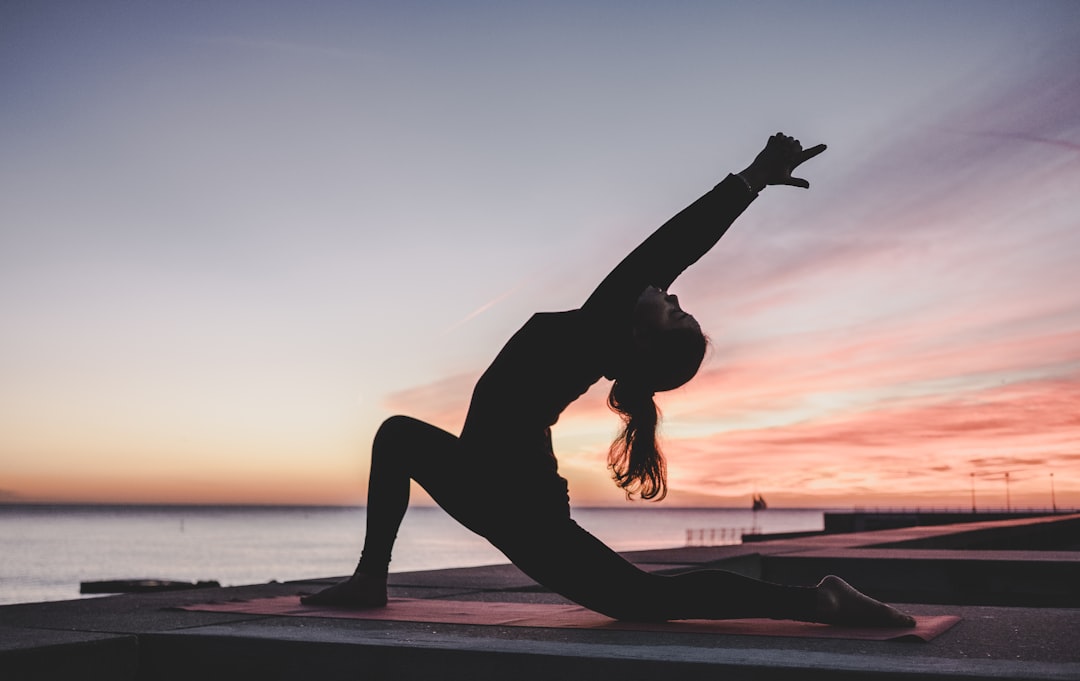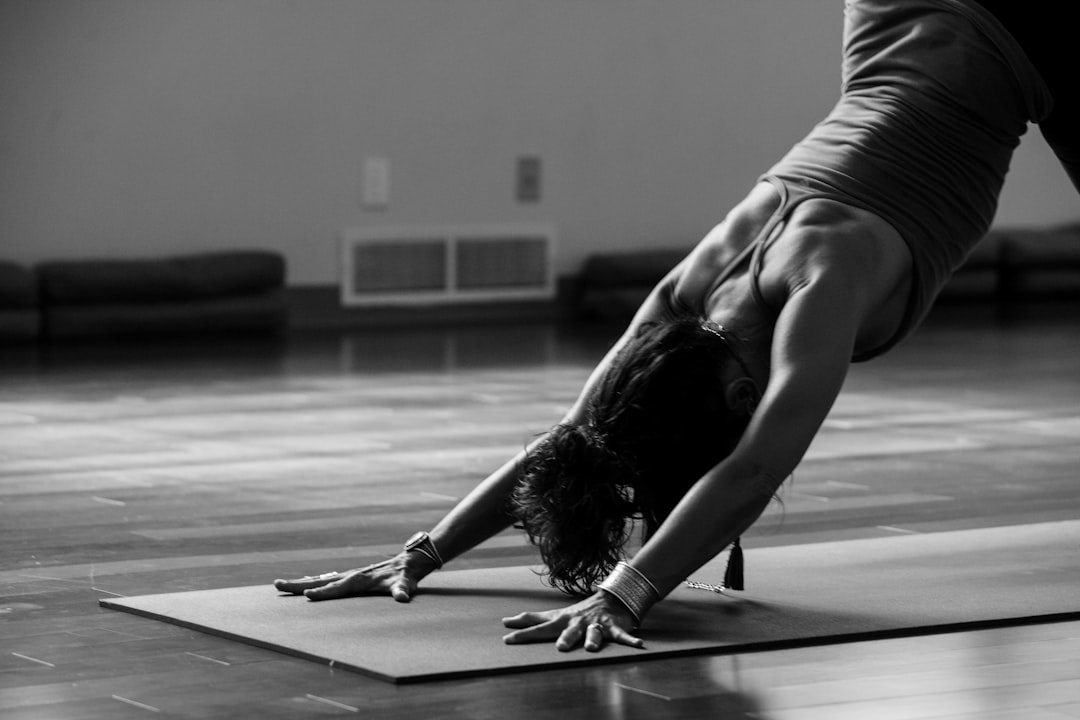
Breath is the bridge between body and mind, the thread that connects our conscious awareness to our unconscious processes. In yoga, the cultivation of breath awareness and control—known as pranayama—is considered just as important as the physical poses, if not more so. Ancient yogis understood what modern science is now confirming: how we breathe directly influences our physical health, mental state, emotional balance, and even our longevity. By mastering your breath, you gain access to a powerful tool for transformation that's available to you every moment of every day.
The Vital Importance of Breath
We can survive weeks without food, days without water, but only minutes without breath. Yet most of us pay remarkably little attention to how we breathe. The average person takes 20,000 breaths per day, most of them shallow, chest-based breaths that use only a fraction of lung capacity.
Proper breathing affects virtually every system in your body. It oxygenates your blood, fueling cellular processes throughout your body. It regulates your nervous system, shifting you between states of activation and relaxation. It influences your heart rate, blood pressure, digestion, and immune function. It even affects your posture and the health of your spine.
In yoga philosophy, breath carries prana—life force energy. When you breathe fully and consciously, you're not just moving air; you're cultivating and directing this vital energy throughout your being. This is why pranayama is considered a complete practice unto itself, capable of producing profound physical, mental, and spiritual effects.
Understanding Your Breathing Anatomy
To work with your breath effectively, it helps to understand the mechanics. Your primary breathing muscle is the diaphragm, a dome-shaped muscle that sits below your lungs. When you inhale, your diaphragm contracts and moves downward, creating space for your lungs to expand. This pushes your belly forward, which is why deep breathing is often called "belly breathing."
When you exhale, your diaphragm relaxes and moves upward, helping push air out of your lungs. Your intercostal muscles (between your ribs) also assist in breathing, expanding your rib cage on the inhale and helping compress it on the exhale.
Most people breathe primarily with their chest and neck muscles, a pattern often developed through stress, poor posture, or trying to maintain a flat stomach. This shallow breathing pattern keeps you in a low-grade stress state and prevents optimal oxygenation. Retraining yourself to breathe diaphragmatically is one of the most valuable things you can do for your health.
Foundation: Diaphragmatic Breathing
Before exploring advanced pranayama techniques, establish a foundation with proper diaphragmatic breathing. Lie on your back with your knees bent and feet flat on the floor. Place one hand on your chest and one on your belly.
Breathe naturally and notice which hand moves more. If your chest hand moves more than your belly hand, you're chest breathing. Now, consciously direct your breath into your belly. As you inhale, let your belly expand and push your hand up. Your chest should remain relatively still. As you exhale, feel your belly fall.
This might feel strange initially if you're used to chest breathing, but persist. Practice for 5-10 minutes daily until belly breathing becomes natural. This simple shift can significantly reduce stress and improve your energy levels.
Three-Part Breath (Dirga Pranayama)
Once you've mastered diaphragmatic breathing, expand into three-part breath, which uses your full lung capacity. This technique involves consciously filling three areas of your torso: lower belly, mid-torso (ribs), and upper chest.
Sit comfortably with a tall spine. Place your hands on your belly. Inhale slowly, first filling your lower belly, feeling it expand against your hands. Continue inhaling, expanding your rib cage outward and feeling your ribs spread. Finally, fill your upper chest, feeling your collarbones lift slightly.
Exhale in reverse: release from your upper chest first, then your rib cage, and finally your belly, drawing your navel toward your spine at the very end. The entire breath should feel smooth and continuous, like a wave rolling through your torso.
Practice three-part breath for 5-10 minutes. This is an excellent preparatory breath for yoga practice or meditation, as it calms the mind while energizing the body. It's also perfect when you need to reset during a stressful day.
Ujjayi Breath: Victorious Breath
Ujjayi (pronounced oo-jai) is the foundational breath for many styles of yoga, particularly Vinyasa and Ashtanga. It creates internal heat, helps focus the mind, and provides an audible rhythm to your practice.
To create ujjayi breath, slightly constrict the back of your throat as if you're fogging up a mirror, but keep your mouth closed and breathe through your nose. This creates a gentle rushing sound, often compared to ocean waves or Darth Vader's breathing.
The constriction should be mild—you're not choking yourself. The sound should be audible to you but not necessarily to someone across the room. Ujjayi breath is typically practiced throughout a physical yoga practice, helping to build heat and maintain a meditative focus.
The benefits include improved concentration, heat generation to support deeper stretching, and better breath-movement coordination. The audible nature of the breath also serves as a feedback mechanism—if you lose the sound, you know your mind has wandered or you're pushing too hard in a pose.
Nadi Shodhana: Alternate Nostril Breathing
Nadi shodhana is one of the most balancing and calming pranayama practices. "Nadi" refers to the energy channels in your body, and "shodhana" means purification. This technique is said to balance the left and right hemispheres of your brain while calming your entire nervous system.
Sit comfortably with a tall spine. Use your right hand: fold your index and middle fingers toward your palm (or rest them gently on your forehead). You'll use your thumb to close your right nostril and your ring finger to close your left nostril.
Close your right nostril with your thumb and inhale slowly through your left nostril. At the top of the inhale, close your left nostril with your ring finger, release your right nostril, and exhale through your right side. Inhale through your right nostril, then close it, release the left, and exhale through the left. This completes one round.
Continue for 5-10 minutes, maintaining a smooth, even breath. If you feel lightheaded, return to normal breathing. With practice, you can gradually lengthen your breaths.
Nadi shodhana is excellent before meditation, before sleep, or any time you need to calm anxiety or balance your energy. Many practitioners report enhanced mental clarity and a profound sense of centeredness from this practice.
Kapalabhati: Skull-Shining Breath
Kapalabhati is an energizing, cleansing breath that clears the respiratory system and invigorates the mind. Unlike most pranayama, the emphasis is on the exhale rather than the inhale.
Sit tall with your hands resting on your knees. Take a deep inhale, then forcefully exhale through your nose while pulling your navel sharply toward your spine. The inhale that follows is passive—your belly naturally expands. Immediately do another active exhale, passive inhale. Continue this pumping action.
Start with 20-30 breaths, then pause and breathe normally to observe the effects. You can gradually build to longer rounds. Your belly should be moving vigorously, while your chest and shoulders remain relatively still.
Kapalabhati generates heat, clears sinus congestion, strengthens your core, and creates a focused, alert mental state. It's perfect for morning practice but should be avoided before sleep. Don't practice if you're pregnant, have high blood pressure, or heart conditions.
Bhramari: Bee Breath
Bhramari pranayama involves making a humming sound during your exhale, which creates vibrations throughout your head and body. These vibrations have a profoundly calming effect on the nervous system.
Sit comfortably and close your eyes. You can plug your ears with your thumbs and gently place your other fingers over your closed eyes, or simply close your ears. Inhale deeply through your nose. As you exhale, make a smooth, steady humming sound like a bee. Feel the vibration in your face, head, and chest.
Continue for 5-10 rounds. Notice how the vibration shifts your awareness inward and quiets mental chatter. Bhramari is exceptional for anxiety, anger, insomnia, and overthinking. The vibrations also benefit your sinuses and may help with conditions like tinnitus.
Box Breathing: Square Breath
Box breathing, or sama vritti (equal breathing), involves equalizing the length of your inhale, hold after inhale, exhale, and hold after exhale. This technique is used by Navy SEALs and other high-performance individuals to maintain calm under pressure.
Choose a count that's comfortable for you—typically 4 to 6 seconds. Inhale for your count, hold your breath for the same count, exhale for that count, then hold empty for that count. Repeat for 5-10 minutes.
The equal parts of the breath create balance and stability in your nervous system. The holds build breath capacity and increase your tolerance for CO2, which has positive effects on your overall breathing efficiency. Box breathing is powerful for managing stress, sharpening focus, and preparing for high-pressure situations.
4-7-8 Breathing: The Natural Tranquilizer
Developed by Dr. Andrew Weil, this technique is called a "natural tranquilizer" for the nervous system. The pattern activates your parasympathetic nervous system, initiating a relaxation response.
Place the tip of your tongue against the ridge behind your upper front teeth and keep it there throughout. Exhale completely through your mouth, making a whoosh sound. Close your mouth and inhale quietly through your nose for a count of 4. Hold your breath for a count of 7. Exhale completely through your mouth for a count of 8, making the whoosh sound. This is one cycle.
Complete four cycles to start, gradually building up to eight cycles over time. The specific timing is less important than the ratio—approximately 4:7:8. This practice is exceptional for falling asleep, managing acute anxiety, controlling anger, and reducing cravings.
Integrating Breath with Movement
In yoga asana practice, breath and movement are synchronized. Generally, you inhale during expansive movements (backbends, opening, reaching up) and exhale during contractive movements (forward folds, twists, bringing limbs toward midline).
This pairing isn't arbitrary. Inhalation naturally creates length in the spine and opens the front body. Exhalation naturally creates core engagement and allows deeper forward folding. When you align your movement with these natural tendencies, your practice becomes more fluid and efficient.
Let your breath lead your movement rather than the reverse. Move at the pace of your breath, not faster. If you notice yourself holding your breath, that's a sign you're pushing too hard or have lost your focus.
Building Your Pranayama Practice
Start with just 5-10 minutes of pranayama practice daily. Choose one or two techniques and practice them consistently before adding more. Morning is ideal for energizing practices like kapalabhati, while evening suits calming practices like nadi shodhana or 4-7-8 breath.
Always practice on an empty stomach if possible, at least 2-3 hours after eating. Sit with a tall, comfortable spine—you can sit in a chair if floor sitting is uncomfortable. Never strain with pranayama. If you feel dizzy, anxious, or uncomfortable, return to normal breathing.
Keep a practice journal, noting which techniques you use and how you feel before and after. Over time, you'll develop intuition about which practices serve you in different situations.
The Transformative Power of Conscious Breathing
Pranayama offers a unique advantage: it's always available to you. You can't always stop and do yoga poses, but you can almost always pause and take a few conscious breaths. This makes breathwork an incredibly practical tool for managing real-life challenges.
Over time, conscious breathing practices rewire your nervous system, creating a more resilient baseline state. You become less reactive to stressors, more emotionally balanced, and more present in your daily life. Your yoga practice deepens as your breath capacity increases and your awareness sharpens.
At VertexFlowMesh, we view pranayama as an essential element of a complete wellness practice. Your breath is the most intimate rhythm of your life, the constant companion from your first moment to your last. Learning to work with it skillfully opens doorways to healing, transformation, and profound connection with yourself that extend far beyond the yoga mat.